Why Goldman Is Both Bullish and Bearish on Copper in 2026

This image is used under our Editorial Policy.
On July 3, 2026, copper trades around $6.18 per pound, up 1.11% on the day but still down more than 4% for the month, as Goldman Sachs held two conflicting views on the metal: near-term downside risk from Federal Reserve rate hikes, and long-term upside from EV adoption, defense spending, and AI-driven electrification.
Copper traders are stuck between two timeframes right now. One story says sell. The other says buy and hold. Both are coming from the same bank.
Why Is Copper Under Pressure Right Now?
Markets are pricing in three Fed rate hikes this year, with the first potentially landing in September. Higher rates make industrial metals less attractive, since they raise borrowing costs for manufacturers and slow the construction and infrastructure spending that drives copper demand.
That's why copper fell more than 4% in June even as it ticked up 1.11% today. Investors are watching this week's US jobs report closely for a read on the Fed's next move.
Goldman Sachs flagged a separate near-term risk back in April. Analyst Aurelia Waltham and colleagues warned that copper faces risks "skewed to the downside" if Strait of Hormuz shipping stayed disrupted longer than expected, since that would keep energy prices elevated and slow global growth.
Why Does Goldman Also See Copper Going Higher?
Here's the twist. The same bank now argues the Iran conflict could end up supporting copper demand over the long run, not hurting it.
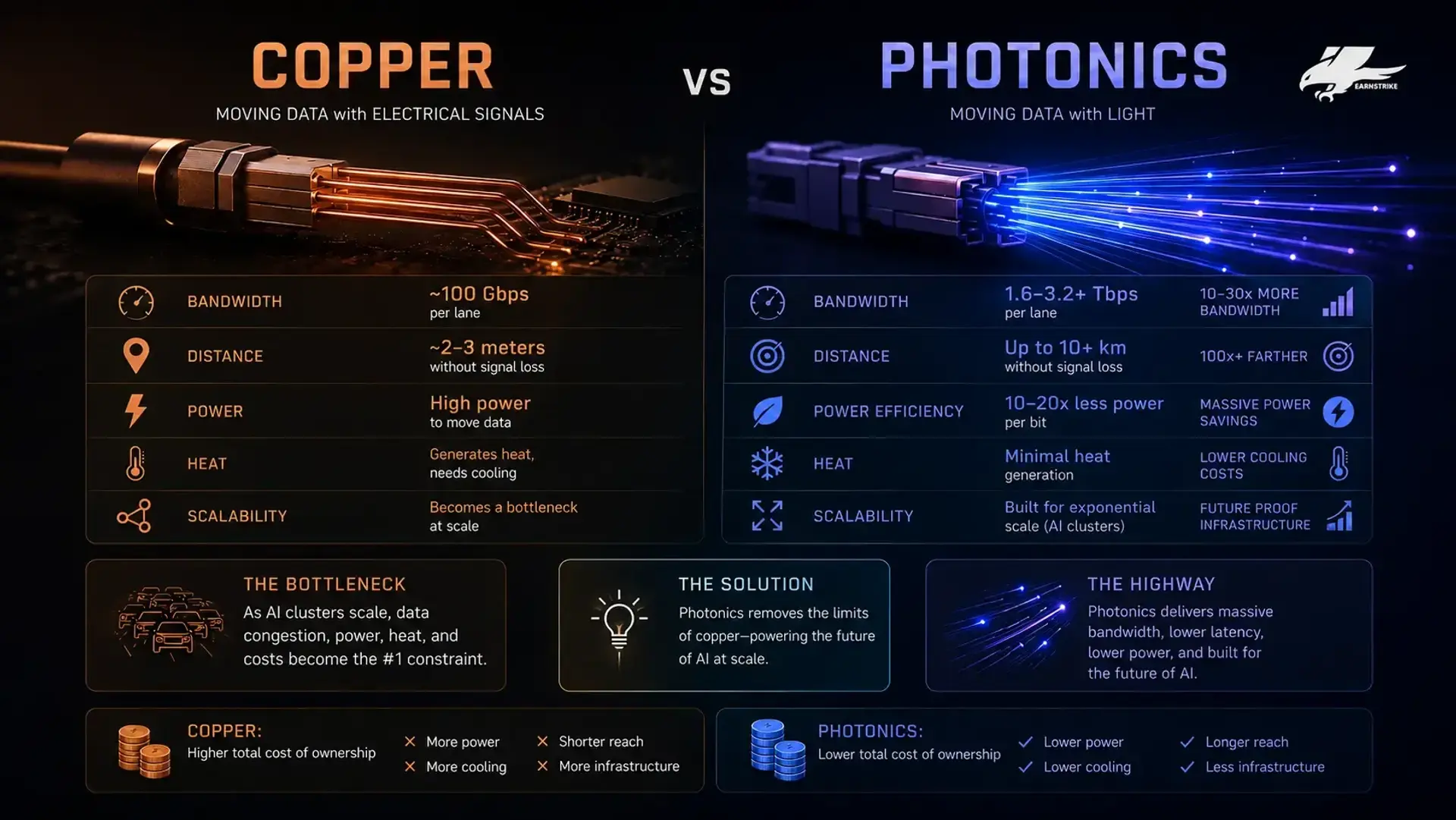
Goldman points to four forces: faster electric vehicle adoption, rising investment in renewable energy, higher global defense spending, and intensifying competition in artificial intelligence infrastructure. All four are copper-intensive. EVs use roughly three times more copper than gasoline cars. Data centers built for AI workloads need extensive copper wiring for power and cooling systems.
The logic is that a prolonged Middle East conflict pushes governments and companies to accelerate exactly these investments, whether it's defense budgets or energy independence projects. That's a demand story that plays out over years, not weeks.
Has the Strait of Hormuz Risk Actually Eased?
Yes, partially. Commercial shipping through the strait has been recovering. The United Arab Emirates restored oil exports to more than 3.9 million barrels per day. Saudi Arabia ramped up exports to Asia. Combined daily flows through the strait now exceed 10 million barrels.
That's lowered the immediate supply-risk premium built into copper and other industrial metals. It's also one reason copper edged higher today even with rate-hike bets still in place.
What's the Bigger Picture for Copper in 2026?
Copper is up 23.21% compared to a year ago, according to Trading Economics data, even after the recent pullback. That YoY gain reflects the structural demand story Goldman is now emphasizing: grid upgrades, EV production, and AI data center buildouts all compete for the same limited copper supply.
Here's how the picture breaks down:
- Copper price: $6.18/lb, up 1.11% today
- Monthly change: down more than 4% in June
- Year-over-year change: up 23.21%
- Fed rate-hike odds (September): markets pricing in three hikes this year
- Strait of Hormuz flows: back above 10 million barrels per day
What Should Traders Watch Next?
Two data points matter most right now. First, this week's US jobs report, which will shape Fed rate expectations directly. Second, any further escalation or de-escalation around the Strait of Hormuz, since that swings the near-term risk premium in either direction.
The long-term bull case doesn't disappear if the Fed hikes in September. But it also won't matter to traders positioned for the next few weeks. That's the real divide in the copper market right now — not bulls versus bears, but short-term traders versus long-term allocators, both reading the same Goldman research and drawing different conclusions.
FAQ
Why did copper prices rise on July 3, 2026?
Copper rose 1.11% to $6.18 per pound as commercial shipping through the Strait of Hormuz continued recovering, easing near-term supply concerns. The gain came despite ongoing expectations that the Federal Reserve could raise interest rates as soon as September.
Why is Goldman Sachs bearish on copper in the near term?
Goldman Sachs warned that copper faces downside risk if Strait of Hormuz shipping stays disrupted longer than expected, since that would keep energy prices elevated and slow global economic growth. Rising Fed rate-hike expectations add further near-term pressure on industrial metals.
Why does Goldman Sachs also see copper rising long-term?
Goldman argues the Iran conflict could ultimately boost copper demand by accelerating electric vehicle adoption, renewable energy investment, defense spending, and AI infrastructure buildout. All four trends require significant copper input, supporting demand over a multi-year horizon.
How much has copper's price changed this year?
Copper is up 23.21% compared to a year ago despite falling more than 4% in June alone. The metal traded at $6.18 per pound on July 3, 2026, reflecting both near-term Fed-driven pressure and longer-term structural demand.
What is the Strait of Hormuz and why does it matter for copper?
The Strait of Hormuz is a key shipping route for oil and gas exports from the Middle East. Disruptions there raise energy prices and slow global growth, which weighs on industrial metal demand, while smoother shipping flows ease that pressure.
Will the Fed's rate decision affect copper prices?
Yes. Higher interest rates raise borrowing costs for manufacturers and can slow construction and infrastructure spending, both major drivers of copper demand. Markets are currently pricing in three rate hikes this year, with the first potentially arriving in September.
Commodities markets can be volatile and affected by global events. This content is for informational purposes only and should not be considered investment advice. Please read our Disclaimer for more information.