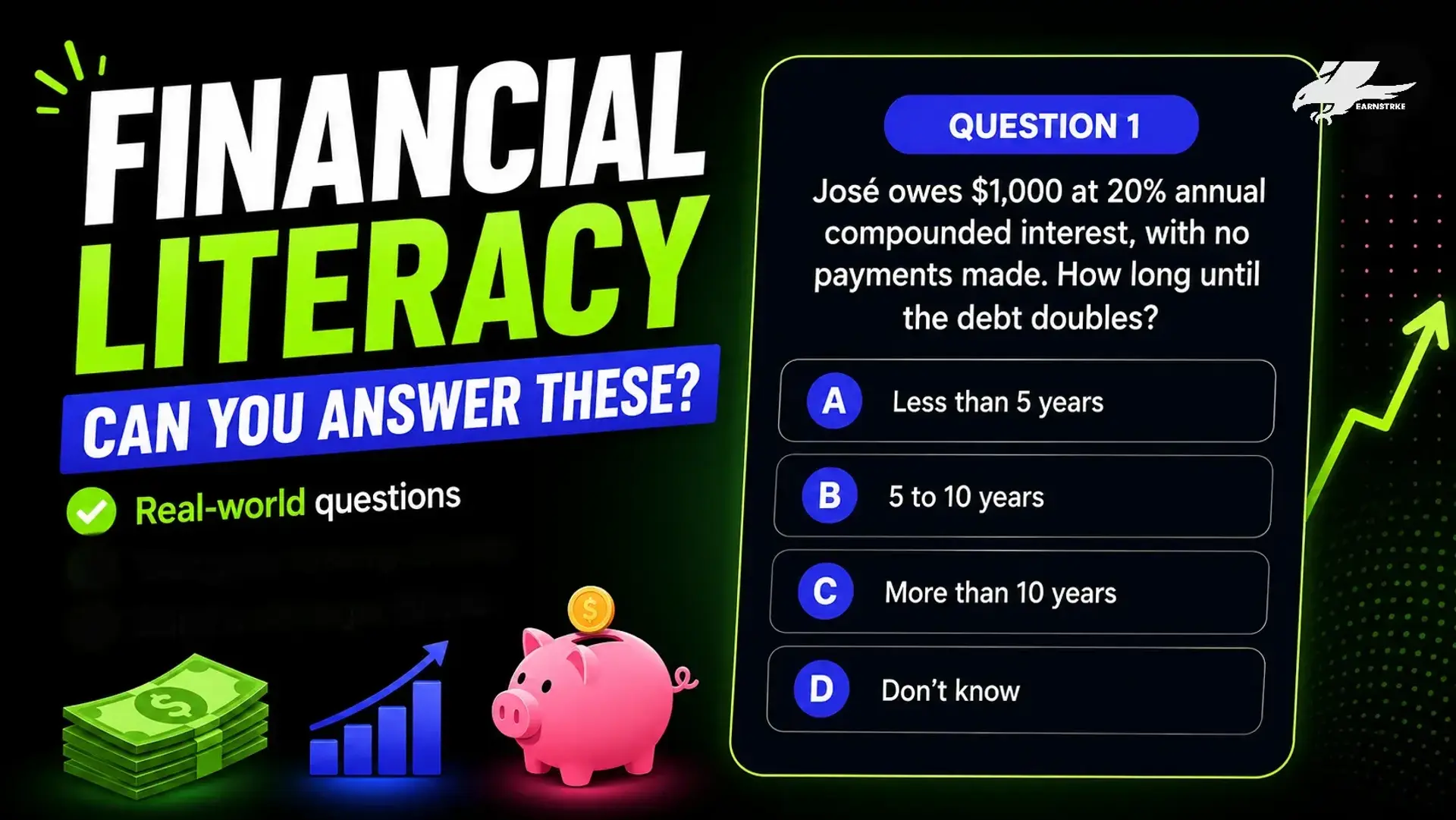
Can AI Really Manage Your Money? What It Gets Wrong
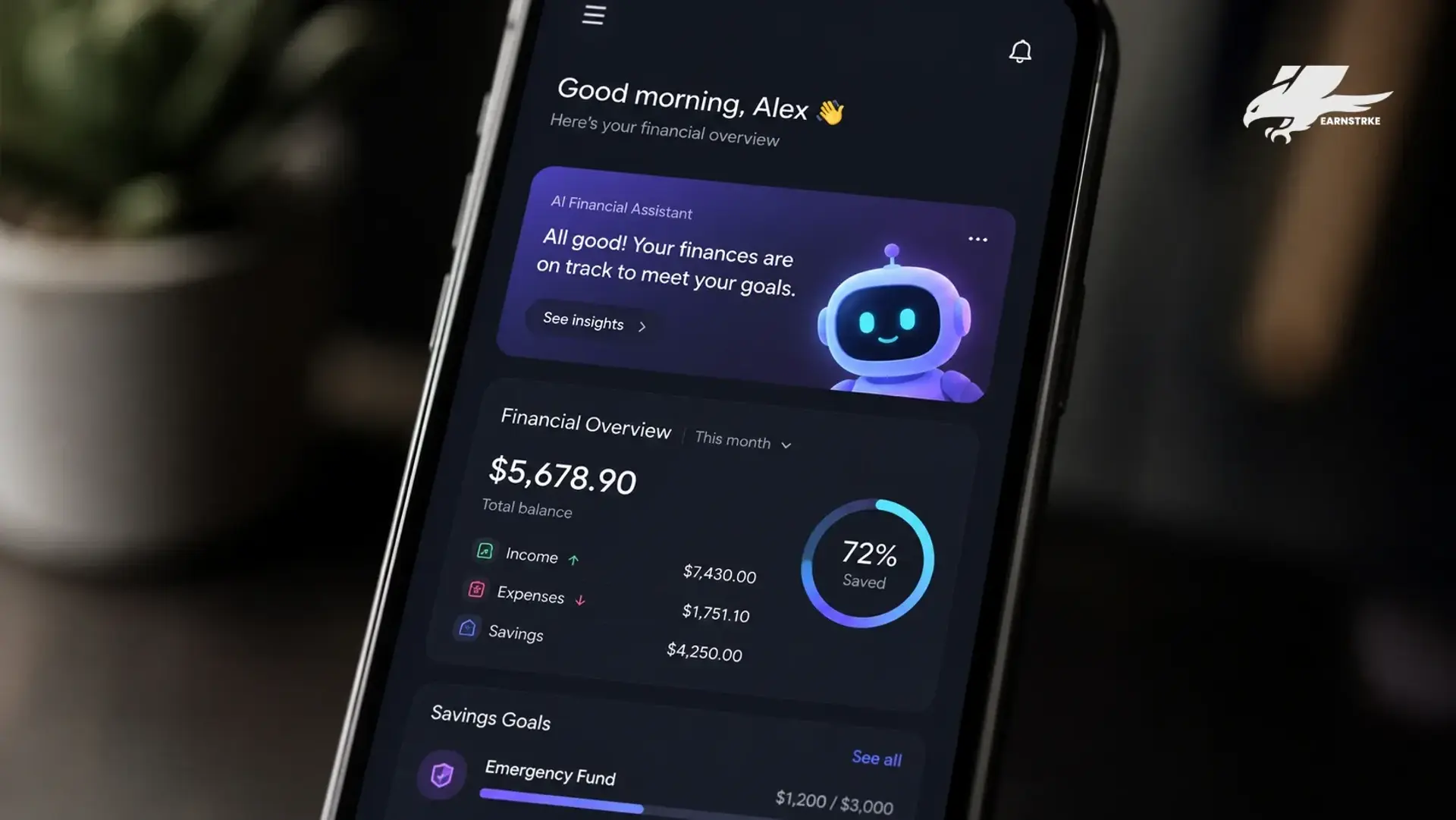
This image is used under our Editorial Policy.
As of 2026, only 4% of U.S. adults use AI tools regularly to manage their finances, while 19% have tried one at least once, exposing a wide trust gap between casual curiosity and reliance on AI for real budgeting decisions.
Usage skews heavily toward younger users. Gen Z leads adoption at 29%, while baby boomers sit at just 8%. That split tells you something important: the people most willing to hand AI their budget are also the ones with the least financial cushion if it gets something wrong. Before treating any AI chatbot as a budgeting tool, it's worth knowing exactly where it helps and where it quietly fails.
What Can AI Actually Do With Your Budget?
General-purpose AI assistants are good at structure. Give one your income, fixed expenses, and goals, and it can build a 50/30/20 framework, categorize spending patterns you paste in, or explain financial concepts in plain language faster than reading a textbook.
These tools are also decent at scenario modeling. Ask "what happens to my savings if I cut $200 a month from dining out," and a chatbot can walk through the math clearly. That's genuinely useful for people who find spreadsheets intimidating or don't know where to start.
What general AI assistants can't do is connect to your bank account, see your real transactions, or track spending automatically the way a dedicated budgeting app does. Every number you work with has to be manually typed in by you, which means the output is only as accurate as what you fed it.
Where Does AI Actually Get Things Wrong?
This is the part most "AI for budgeting" guides skip. Large language models hallucinate, meaning they generate confident, plausible-sounding answers that are factually wrong, particularly on numerical claims and specific recent details.
The scale of this problem is documented, not anecdotal:
- A widely cited Stanford analysis found one major AI model's accuracy on a specific math task dropped from 97.6% to 2.4% over a three-month period, an example of what researchers call model drift
- More than 1,000 court cases have been catalogued involving AI-fabricated legal citations, with at least 15 resulting in monetary sanctions against the attorneys who relied on them
- One law firm was fined $31,000 after roughly a third of the citations in a filing turned out to be invented by an AI chatbot
None of those examples are about budgeting specifically. But they illustrate the core risk: an AI assistant will state a wrong number with the same confident tone it uses for a correct one, and there's no built-in warning label that tells you which is which.
"Accuracy gets weaker when the task requires strong judgment, hidden domain context, real-time facts, or reliability under ambiguity," one product development firm noted in a 2026 guide on AI's practical limitations. Budgeting often involves exactly that kind of ambiguity: your specific tax bracket, regional cost of living, irregular income, or debt terms that a general AI model has no way to verify against your actual accounts.
Why Doesn't AI Know Your Real Financial Picture?
Because it doesn't have access to it, and that's by design, not a bug. General-purpose AI chatbots have no live connection to your bank, brokerage, or credit card statements unless you're using a specific integrated product built for that purpose, like a banking app with embedded AI features.
That means every budgeting session starts from zero. If you tell a chatbot your rent is $1,400, it trusts you completely. If you misremember a number or round it wrong, that error flows through every calculation that follows. A dedicated budgeting app that syncs to your accounts doesn't have this problem, because it's pulling actual transaction data rather than relying on what you typed from memory.
This matters most for people just starting to engage with their finances, which is exactly the group most likely to be experimenting with AI for this purpose in the first place.
So Should You Use AI for Budgeting at All?
Yes, but as a starting point, not a source of truth. General AI assistants are strong at explaining concepts, building frameworks, and helping you think through tradeoffs in plain language. They're weak at anything requiring real-time accuracy, verified numbers, or knowledge of your specific account terms.
The safest split: use AI to understand the "why" behind a budgeting strategy and to draft a structure you can adapt. Use a dedicated budgeting app, your actual bank statements, or a human advisor to verify any number that will actually drive a financial decision. Treat AI output on anything involving real dollar amounts the way you'd treat a stranger's confident guess: worth hearing, not worth acting on without checking.
FAQ
Can AI chatbots see my actual bank account or spending history?
No. General AI assistants have no live connection to your bank, credit card, or brokerage accounts by default. Every number used in a budgeting conversation has to be manually entered by you, meaning the output is only as accurate as the information you provide, not your actual transaction history.
Why do AI chatbots sometimes give wrong financial numbers confidently?
This is called hallucination, where AI models generate plausible-sounding but factually incorrect answers, especially on numerical claims and specific details. Most chatbots don't flag uncertainty by default, so an incorrect number can look identical in tone and confidence to a correct one.
How many people actually use AI for budgeting in 2026?
Only about 4% of U.S. adults use AI tools regularly to manage their finances, though 19% have tried one at least once. Usage is highest among Gen Z at 29% and lowest among baby boomers at 8%, correlating closely with overall financial literacy levels.
Is AI better than a dedicated budgeting app?
They serve different purposes. General AI assistants are useful for explaining concepts and building budgeting frameworks in plain language, but they can't sync with your accounts or track spending automatically. Dedicated budgeting apps pull real transaction data, making them more reliable for ongoing, accurate tracking.
What's the safest way to use AI for personal finance?
Use it to understand concepts, model hypothetical scenarios, and draft a budgeting structure you can adapt. Verify any number that will actually influence a financial decision, like your real account balances or debt terms, against your actual bank statements rather than trusting AI-generated figures.
Primary source: TIAA Institute–GFLEC 2026 Personal Finance Index (P-Fin Index)
Direct PDF report
The content on this page is provided for informational and educational purposes only and should not be considered financial or investment advice. Please read our Disclaimer for additional information.