How the New 2026 US Student Loan Rules Affect Payments
This image is used under our Editorial Policy.
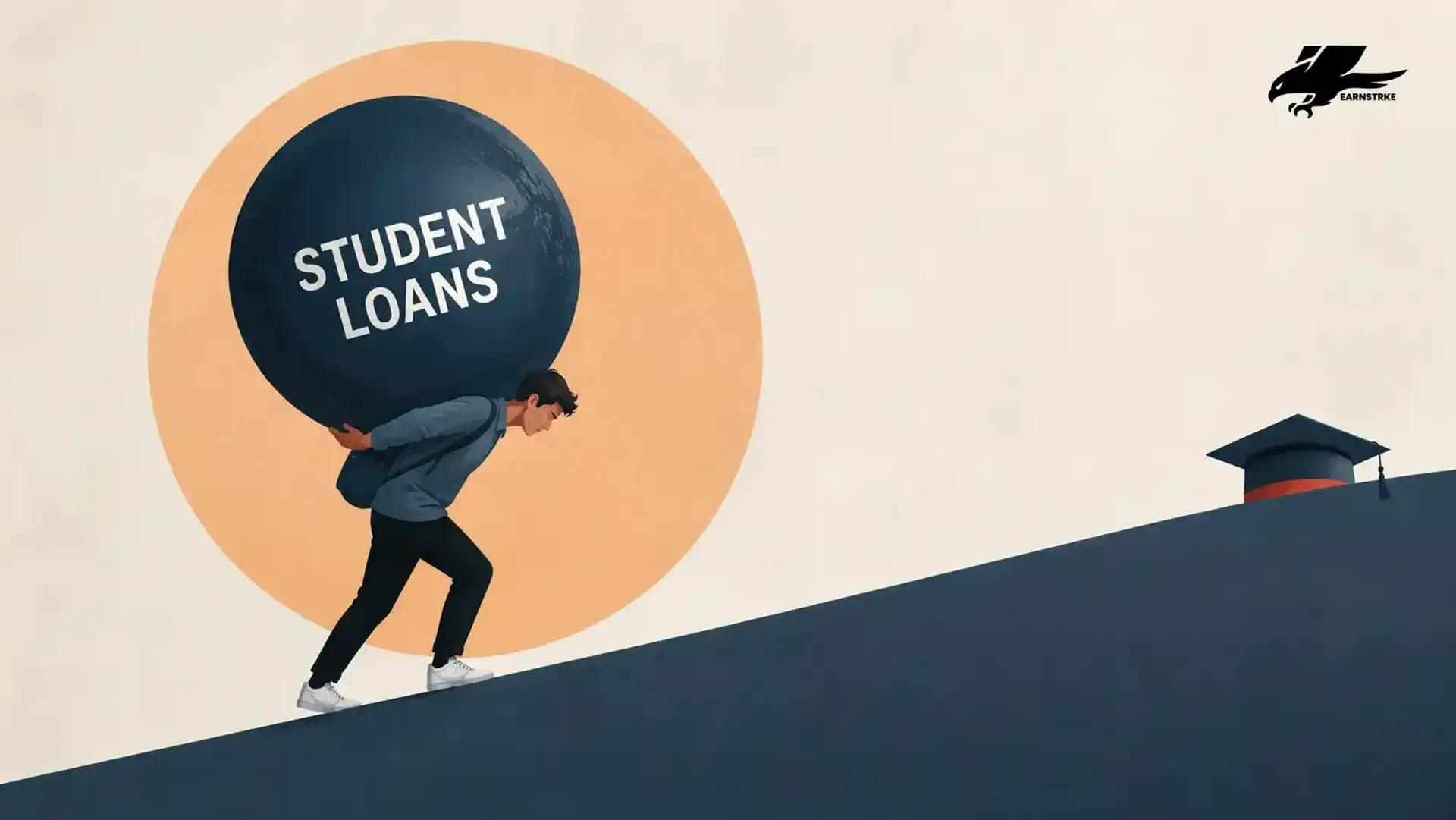
On July 1, 2026, the U.S. Department of Education's overhaul of the federal student loan system takes full effect, ending the SAVE repayment plan, cutting seven repayment options down to two for new borrowers, and forcing 7.5 million people into a 90-day window to pick a new plan or risk default.
This is the biggest restructuring of federal student loan repayment in a generation. It comes from the One Big Beautiful Bill Act, signed into law on July 4, 2025. Nearly $1.9 trillion in federal student debt is now subject to new rules. Roughly 43 million Americans hold that debt. Some borrowers won't notice much change right away. Others are walking into a financial trap they don't know exists yet.
What Changes for Student Loan Borrowers on July 1?
Anyone taking out a new federal loan after July 1 gets only two repayment choices: the Tiered Standard Plan or the new Repayment Assistance Plan, known as RAP. The old menu of seven plans shrinks immediately for new borrowers. Existing borrowers who don't take out additional loans keep more flexibility, but even that grace period has an expiration date: July 1, 2028.
- New federal loan limits for graduate students: $100,000 lifetime cap
- Parent PLUS loans: capped at $20,000 a year, $65,000 total per student
- Grad PLUS loans: eliminated entirely for new borrowers
- Forbearance for new borrowers: limited to 9 months over any 2-year period, down from 12 months with no annual cap
Why Are Student Loan Defaults Already Surging?
The timing makes this overhaul riskier than it looks on paper. Defaults were already climbing before any of these rules kicked in. An estimated 8.8 million federal borrowers were in default by early 2026, with total defaulted debt topping $208 billion. The average newly defaulted borrower is just under 39 years old. Many of them had a clean payment record before the pandemic-era pause began in 2020. Their credit scores dropped by an average of 91 points the moment they fell into default.
That's the part most coverage of the July 1 changes is missing. The same system pushing borrowers toward unfamiliar new plans is the one currently failing to keep existing borrowers out of default. Stack a confusing transition on top of a default wave already in motion, and the risk compounds.
What Happens to the SAVE Plan?
SAVE borrowers don't get to keep stalling. Roughly 7.5 million people sitting in administrative forbearance under the Biden-era SAVE plan now have 90 days from July 1 to switch into a different income-driven option. Do nothing, and the servicer auto-enrolls you into a replacement plan. That plan could carry a higher monthly payment than what SAVE offered, since SAVE allowed $0 payments for many low-income borrowers.
"These are the most changes we have seen at this scale in a very long time," said Sarah Austin, a policy analyst at the National Association of Student Financial Aid Administrators.
How Does the New Repayment Assistance Plan Work?
RAP bases monthly payments on adjusted gross income, not discretionary income, which is how older plans calculated payments. Rates run from 1% to 10% of AGI, depending on income tier. Payments can't drop below $10 a month, even for very low earners, and there's no cap for high earners. Borrowers get $50 knocked off their monthly bill for each dependent claimed on their tax return. Forgiveness arrives after 30 years, longer than the 20 to 25 years offered under most legacy income-driven plans.
One detail catches people off guard: once you enroll in RAP, you can't switch back to a different plan later.
What Are the New Borrowing Limits?
Undergraduate annual limits stay the same. The bigger shift hits graduate, professional, and parent borrowers.
- Graduate students: $20,500 per year, $100,000 lifetime
- Professional degree students (medicine, law, pharmacy, veterinary, and similar fields): higher annual caps, but still capped lifetime
- Parent PLUS loans: $20,000 per year, $65,000 lifetime per student, replacing the old cost-of-attendance model with no fixed ceiling
What Should Borrowers Do Before July 1?
Parent PLUS borrowers who haven't consolidated into a Direct Consolidation Loan by June 30 permanently lose access to every income-driven repayment plan, including any path to forgiveness through Public Service Loan Forgiveness. That deadline is a disbursement deadline, not an application deadline, which means waiting until the last day is too late.
Anyone currently on IBR, ICR, or PAYE doesn't need to panic today. IBR survives indefinitely for loans disbursed before July 1, 2026. ICR and PAYE get phased out by 2028. The safest move for most current borrowers is running the numbers on the Education Department's Loan Simulator before assuming RAP is the better deal.
Source: U.S. Department of Education — "Finalizes Landmark Rule to Lower College Costs and Simplify Student Loan Repayment"
FAQ
Do I have to switch repayment plans by July 1?
Only if you're on the SAVE plan, which is being eliminated, or if you take out a new federal loan after July 1. Borrowers on Standard, Graduated, Extended, or IBR plans with existing loans can generally stay put without immediate action.
What is the Repayment Assistance Plan (RAP)?
RAP is the new federal income-driven repayment plan. It charges 1% to 10% of your adjusted gross income, offers forgiveness after 30 years, and once you enroll, you can't switch to a different plan later.
Will my forgiven student loan balance be taxed?
Yes. As of January 1, 2026, student loan forgiveness through income-driven repayment plans counts as taxable income at the federal level, a change from the temporary tax exemption that applied during the pandemic years.
What happens if I do nothing by the July 1 deadline?
SAVE borrowers get auto-enrolled into a replacement plan within 90 days, which may carry higher payments. Borrowers taking out new loans without selecting a plan default to the Standard Repayment Plan, which has no forgiveness path.
Can defaulted borrowers still get out of default?
Yes. Loan rehabilitation, which requires nine on-time payments, and consolidation remain available. Acting before wage garnishment starts gives borrowers more options than waiting for a garnishment notice to arrive.
Are Parent PLUS loans affected by the July 1 changes?
Yes, significantly. New Parent PLUS loans are capped at $20,000 a year and $65,000 lifetime per student. Parents who don't consolidate existing Parent PLUS loans by June 30 lose access to income-driven repayment entirely.
The content on this page is provided for informational and educational purposes only and should not be considered financial or investment advice. Please read our Disclaimer for additional information.