Gold slides as strong U.S. jobs data fuels rate hike fears
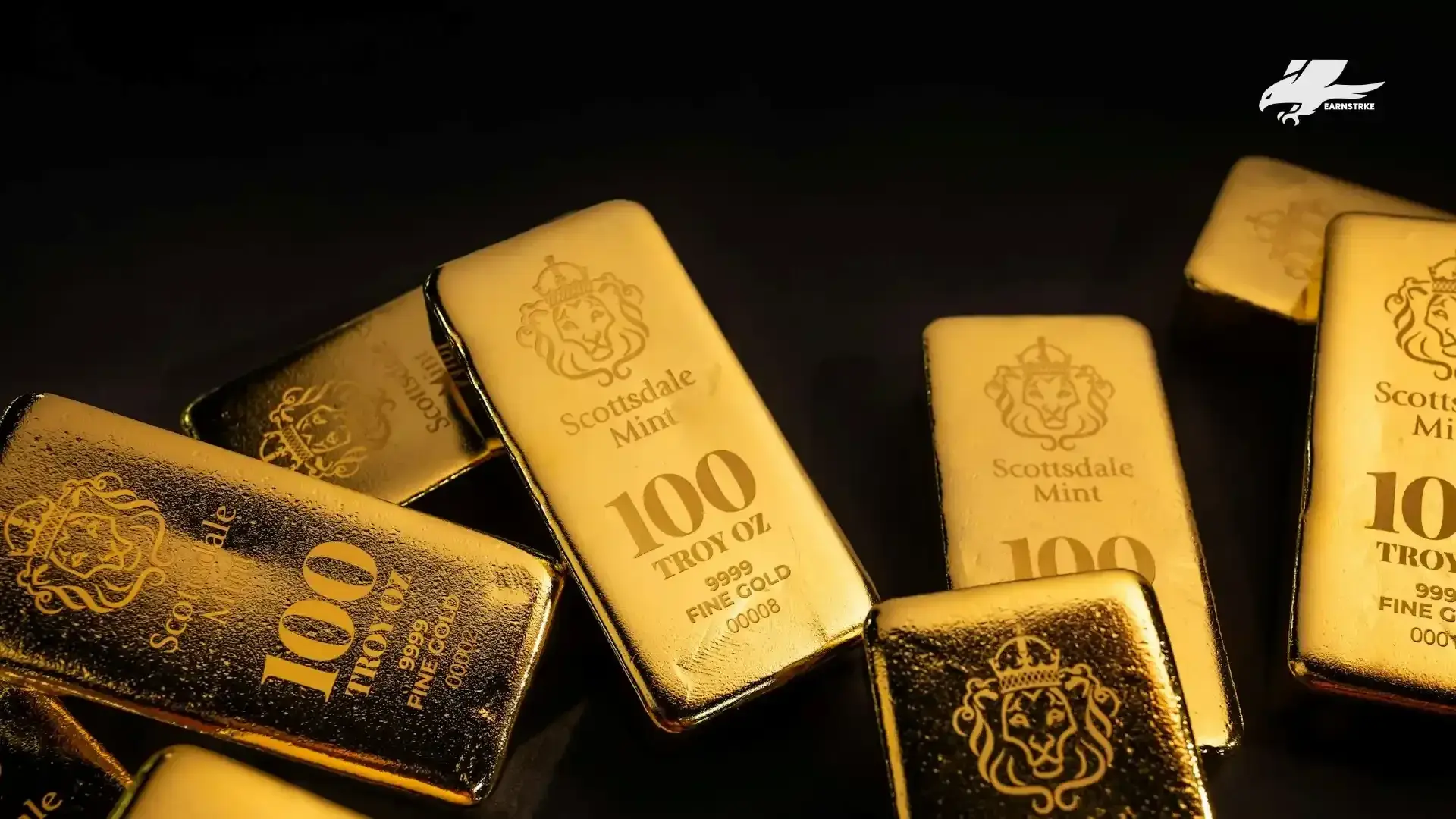
This image is used under our Editorial Policy.
- Gold fell more than 3% after stronger-than-expected U.S. employment data boosted expectations that the Federal Reserve could keep interest rates elevated for longer.
- Rising Treasury yields and a stronger U.S. dollar increased pressure on the non-yielding precious metal.
- Geopolitical developments surrounding Iran and the Middle East continue to influence inflation expectations and interest rate forecasts.
- Despite the recent correction, several analysts still expect gold prices to reach new record highs later this year.
Gold prices came under heavy pressure on Friday after a stronger-than-expected U.S. labor market report triggered a broad reassessment of Federal Reserve policy expectations. Spot gold fell more than 3% during North American trading, slipping below its 200-day moving average and extending the correction that began after January's record highs.
The decline pushed gold toward the $4,300 level, its lowest level in several months, as investors reduced expectations for near-term interest rate cuts and adjusted positions across commodity and financial markets.
Strong payroll growth shifts rate expectations
The sell-off accelerated after the U.S. economy added 172,000 jobs in May, far exceeding forecasts of 85,000. Previous months' payroll figures were also revised higher, reinforcing the view that the labor market remains resilient despite tighter financial conditions.
The unemployment rate held steady at 4.3%, further supporting the argument that inflation risks remain a concern for policymakers. Markets responded quickly. Consensus expects the Federal Reserve to maintain a restrictive monetary policy for longer than previously anticipated, with some investors even beginning to price in the possibility of an interest rate increase later this year. According to money market pricing, the probability of a Federal Reserve rate hike by December has risen significantly following the employment report.
Dollar and bond yields weigh on bullion
The stronger economic data fueled a sharp rally in the U.S. dollar. The U.S. Dollar Index climbed back above the 100 level as investors shifted toward dollar-denominated assets. At the same time, yields on U.S. government bonds moved higher, with the benchmark 10-year Treasury yield rising to approximately 4.53%.
Higher yields typically reduce the appeal of gold because the metal does not generate income. As investors can earn greater returns from interest-bearing assets, demand for bullion often weakens. The combination of rising yields and a stronger dollar created a challenging environment for gold, amplifying the impact of the payroll surprise.
Historical patterns suggest deeper corrections are possible
Gold's recent weakness has revived comparisons with previous cycles. The metal surged roughly 245% between September 2022 and January 2026 before reaching an all-time high above $5,500 per ounce. Since that peak, prices have retreated around 20%.
Previous bull markets have often been followed by lengthy consolidation periods and significant pullbacks. After gold rallied 170% between 2008 and 2011, prices later declined 37%. A separate rally between 2018 and 2020 was followed by a correction of roughly 22%. While historical trends suggest that big uptrends are frequently followed by deeper retracements, many analysts argue that the current market is being influenced by a different mix of factors than previous cycles.
Demand trends are beginning to soften
Several of the drivers that supported gold's record rally have started to lose momentum.
According to World Gold Council data, central banks purchased 243.7 metric tons of gold during the first quarter of 2026, a modest increase from a year earlier. However, buying activity has largely stabilized compared with the aggressive accumulation seen between 2022 and 2024.
Consumer demand has also weakened in major markets. Jewelry demand in China fell 31% year-over-year during the first quarter, while Indian demand declined 19%. Globally, jewelry demand dropped 25% to 260.2 tons as elevated prices discouraged purchases.
Investment demand has also cooled. Gold-backed exchange-traded products recorded inflows of 62 tons during the first quarter, substantially below the levels seen a year earlier. Overall gold demand declined 9% year-over-year to 1,195.9 tons during the first quarter of 2026.
Iran conflict increasingly shapes market sentiment
Gold's recent price movements have become closely tied to developments in the Middle East. Ongoing tensions involving the United States and Iran continue to influence inflation expectations through their impact on energy markets. Rising oil prices increase concerns that inflation could remain elevated, reducing the likelihood of interest rate cuts and placing pressure on gold.
As a result, traders are increasingly monitoring geopolitical developments alongside traditional drivers such as inflation, employment data and central bank policy.
Long-term outlook remains constructive
Despite the recent correction, several industry forecasts remain positive. Metals Focus expects average gold prices to rise 43% in 2026 to approximately $4,920 per ounce, citing continued demand for safe-haven assets, concerns about long-term U.S. fiscal conditions and ongoing geopolitical risks.
Commodities markets can be volatile and affected by global events. This content is for informational purposes only and should not be considered investment advice. Please read our Disclaimer for more information.