Silver Price Down 21% in June as Fed Rate Bets Mount
This image is used under our Editorial Policy.
On June 26, 2026, silver futures opened at $58.03 per ounce, down 21.7% since June 1, as markets price in at least one Fed rate hike later this year following May PCE inflation hitting 4.1% — its highest reading in three years.
Silver's story has changed. Two weeks ago, news of a US-Iran ceasefire briefly sent prices higher. That rally is gone. There's one driver now: the Fed and where rates are headed.
Why Has Silver Dropped So Sharply This Week?
Silver lost roughly 12% this week alone. The monthly loss sits at 25.1%. Against this time last year, the metal is still up 59.8% — but that number tells a different story when you consider silver was up 173.3% year-over-year as recently as mid-May. The unwind has been fast.
Two dynamics are driving the selling. First, the dollar. The greenback climbed to its strongest level in over a year this week. Dollar-denominated commodities automatically become more expensive for foreign buyers when that happens, which suppresses demand. Second, rate expectations. CME FedWatch data shows markets pricing roughly 61-63% odds of a September hike and around 80% for December.
Rate hikes hit silver through two channels. As an asset with no yield, silver loses appeal when bond returns rise. Higher rates also slow industrial production — and a significant share of silver demand comes from electronics and solar manufacturing, so that impact feeds directly into price.
What Did the PCE Data Actually Change?
The PCE Price Index — the Fed's preferred inflation gauge — came in at 4.1% year over year for May, the highest since April 2023 and more than double the Fed's 2% target. Month over month, the reading was 0.4%, slightly below expectations — a small surprise that trimmed rate hike bets modestly without changing the bigger picture.
This morning's key figures:
- PCE Price Index: 4.1% year over year in May, highest since April 2023
- Month-over-month PCE: 0.4%, below forecasts
- September rate hike probability: roughly 61%
- December rate hike probability: roughly 80%
The dollar and Treasury yields pulled back slightly after the data, which gave silver room to recover to $58.71 by 7:47 AM ET. That move looks like short-covering rather than a genuine shift in sentiment.
Where Does Gold Stand?
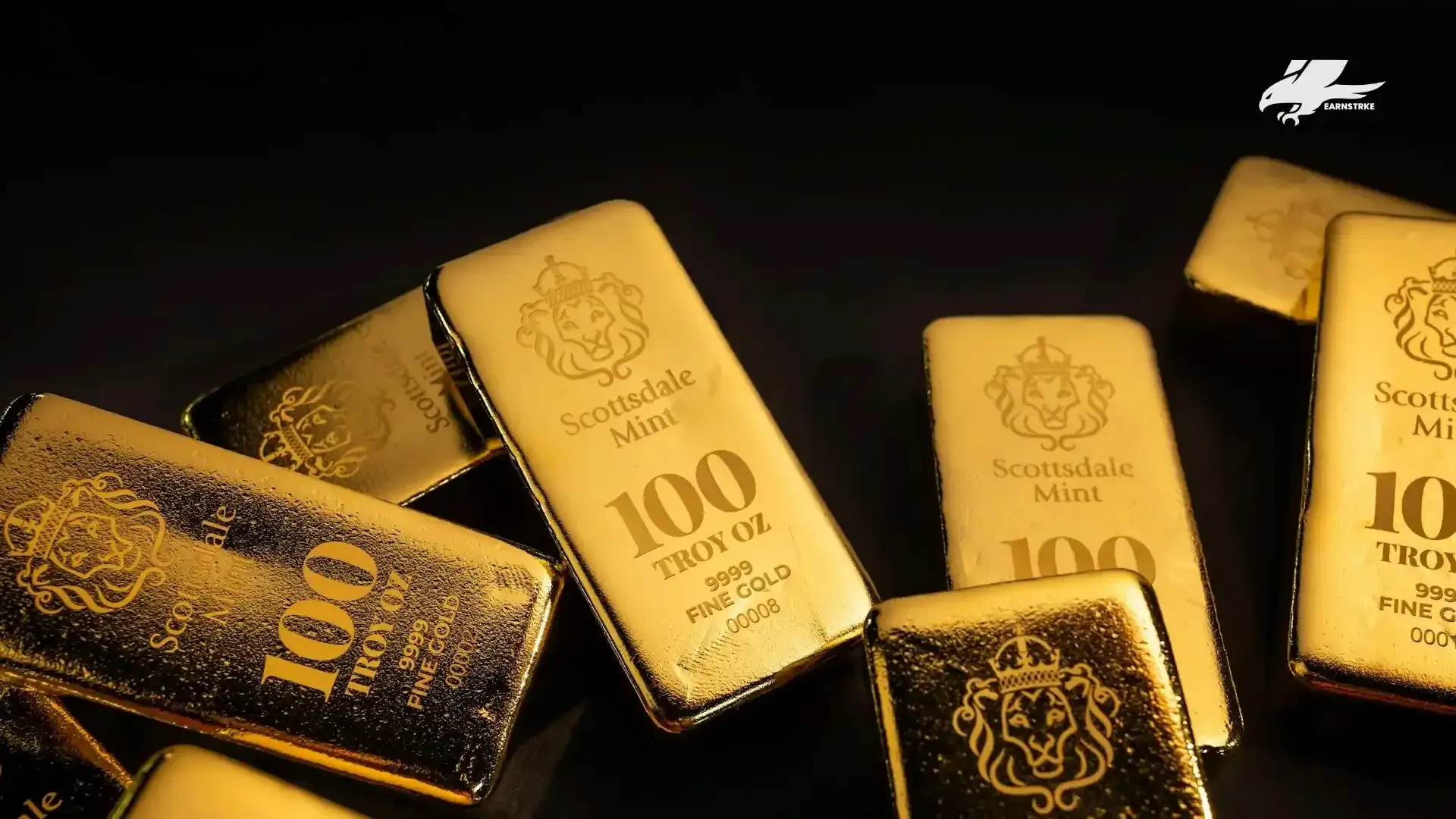
Gold is holding up far better than silver. Spot gold is trading around $4,038 per ounce this morning — having briefly broken below $4,000 for the first time since November 2025 earlier this week. The weekly loss is roughly 2.5%, a fraction of silver's decline.
The gap in performance comes down to demand structure. Gold functions primarily as a store of value and central bank reserve asset. A meaningful share of silver's demand is tied to industrial production. Rate hike fears hit both metals, but the added industrial slowdown risk gives silver an extra layer of downside pressure.
Saxo Bank noted that gold is trading near $4,000 for a third consecutive session, with investor sentiment still shaken by the recent selloff as markets adjust to a hawkish Fed and stronger dollar. On the technical side, a sustained break below $4,000 opens the door to $3,886 support, and a potential death cross — where a shorter-term moving average crosses below a longer-term one — could expose the $3,600-$3,700 range in the months ahead.
Why Isn't the Iran Peace Deal Helping Silver?
Progress in US-Iran negotiations has pulled oil prices back to pre-conflict levels. Crude fell more than 2% this week as supply disruption fears eased through the Strait of Hormuz. That should theoretically reduce inflation pressure — but it's not helping silver.
Here's why: silver moves on real yields, not geopolitics. When peace news reduces inflation expectations, it actually strengthens the Fed's hand to hike. That makes rate increases more credible, which is a headwind for silver. The result is that geopolitical optimism is feeding back through the rate channel as a net negative for the metal.
The Tax Trap Silver Investors Often Miss
Silver gains aren't taxed like stock gains in the US, and most investors don't realize it until they sell.
The IRS classifies physical precious metals — bars, coins, and rounds — as collectibles. That changes the math considerably. For holdings of one year or less, profits are taxed as ordinary income, which can reach 37%. For holdings over one year, gains are still taxed at ordinary income rates — but capped at 28%.
Compare that to stocks: long-term capital gains max out at 20%. A middle-income investor used to paying 15% on stock gains could end up paying 22-24% on silver. At five or six figures of profit, that difference is material.
FAQ
Why Has Silver Fallen So Fast in June 2026?
Fed rate hike expectations and a surging dollar have pushed silver down 21.7% since June 1. As a zero-yield asset, silver loses its appeal when interest rates rise and bond returns increase. On top of that, fears of slowing industrial activity are adding a second layer of selling pressure that gold doesn't face to the same degree.
How Does PCE Inflation Affect Silver Prices?
The PCE Price Index is the Fed's primary inflation benchmark for setting interest rate policy. May's 4.1% reading was the highest in three years, reinforcing expectations of at least one more rate hike this year. When rate hike odds rise, the dollar strengthens and yield-bearing assets become more attractive relative to metals like silver.
Why Did Gold and Silver Perform So Differently This Week?
Gold lost roughly 2.5% this week while silver dropped around 12%. The difference comes down to demand composition. Gold is primarily a store of value; silver has significant industrial exposure through electronics and renewable energy. Rate hike fears slow industrial output, which hits silver's demand base in a way that doesn't apply to gold.
What Is the Tax Rate on Silver Gains in the US?
Physical silver is classified as a collectible by the IRS, not a standard capital asset. That means long-term gains — held over one year — are taxed at up to 28%, compared to a 20% maximum for stocks. Short-term gains are taxed as ordinary income, up to 37%. For investors in middle tax brackets who expect to pay 15% on gains, silver can end up costing significantly more at tax time.
What's the Next Key Price Level to Watch for Silver?
Silver is hovering near $58, a level that technical signals suggest is fragile. A sustained move lower could expose the $55 area. The broader precious metals complex is watching gold's $4,000 level closely — if that support breaks convincingly, it tends to drag silver lower alongside it as risk sentiment deteriorates across the complex.
Commodities markets can be volatile and affected by global events. This content is for informational purposes only and should not be considered investment advice. Please read our Disclaimer for more information.