Credit Scores and Card Debt: What You Need to Know
This image is used under our Editorial Policy.
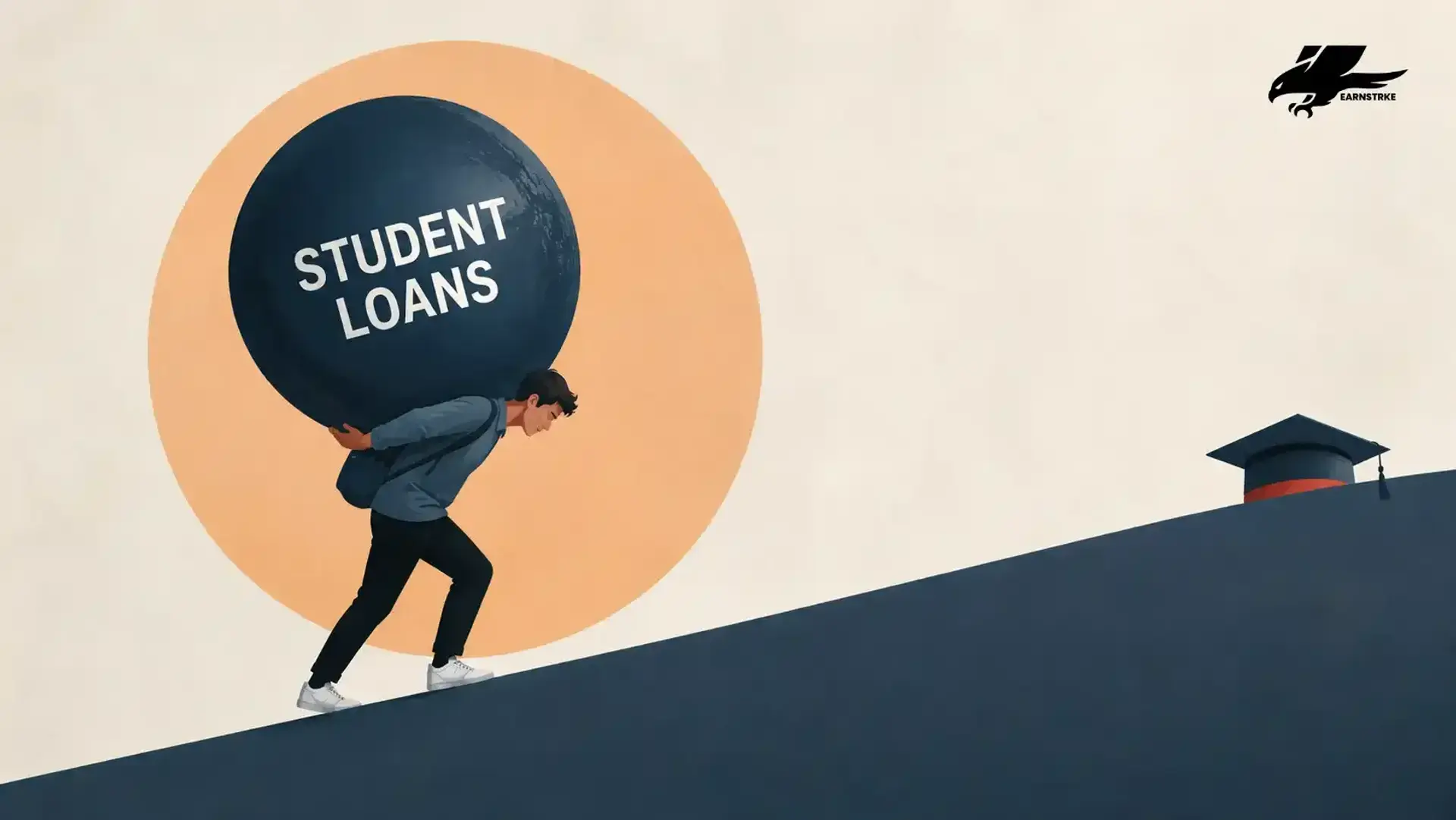
Nobody sits you down as a teenager and explains how credit works. You don't learn it in school. Most parents don't talk about it either — not because they don't care, but because they probably weren't taught themselves. So you grow up, get your first credit card or take out your first loan, and somewhere along the way you realize the rules of this game were never explained to you. You were just expected to figure it out.
That's a problem. Because credit — how it's scored, how it works, and how easily it can go wrong — has a real impact on your financial life. Whether you're in the UK, Brazil, South Korea, Nigeria, or anywhere else, some version of a credit system exists, and understanding it is not optional if you want to build financial stability.
Let's go through it properly.
What a Credit Score Actually Is
A credit score is a number that represents how trustworthy you are as a borrower — at least in the eyes of financial institutions. Lenders use it to decide whether to give you a loan, a credit card, a mortgage, or sometimes even a rental apartment. The higher your score, the more doors open. The lower it is, the harder and more expensive borrowing becomes.
The exact scoring system varies by country. In the United States, scores typically run from 300 to 850. In the UK, different bureaus use different scales — Experian goes up to 999, Equifax up to 700. In Australia, scores range from 0 to 1,200. In many emerging economies, formal credit scoring is still developing, which creates its own set of challenges for people trying to build a financial history.
But regardless of the number on the scale, the underlying logic is largely the same everywhere: do you pay back what you borrow, on time, without overextending yourself?
What Goes Into Your Score
This is where a lot of people get confused. Your credit score isn't a reflection of how much money you have. A wealthy person can have a terrible credit score, and someone on a modest income can have an excellent one. What it measures is behavior — specifically, your borrowing and repayment behavior over time.
The main factors that influence your score are:
- Payment history — this is the biggest one. Do you pay your bills on time? Every missed payment, every late payment, leaves a mark. Consistently paying on time is the single most powerful thing you can do for your score.
- Credit utilization — this refers to how much of your available credit you're actually using. If your credit card limit is the equivalent of $1,000 and you've spent $900 of it, that's 90% utilization — and lenders see that as a red flag. Keeping it below 30% is the general recommendation.
- Length of credit history — the longer you've had credit accounts open and in good standing, the better. This is why closing old accounts, even ones you don't use, can sometimes hurt your score.
- Types of credit — having a mix of different credit types, such as a card, a loan, and maybe a mortgage, generally looks better than having just one type.
- New credit applications — every time you apply for credit, a hard inquiry is recorded. Multiple applications in a short period signal financial desperation to lenders and can temporarily lower your score.
Why Credit Card Debt Is So Dangerous
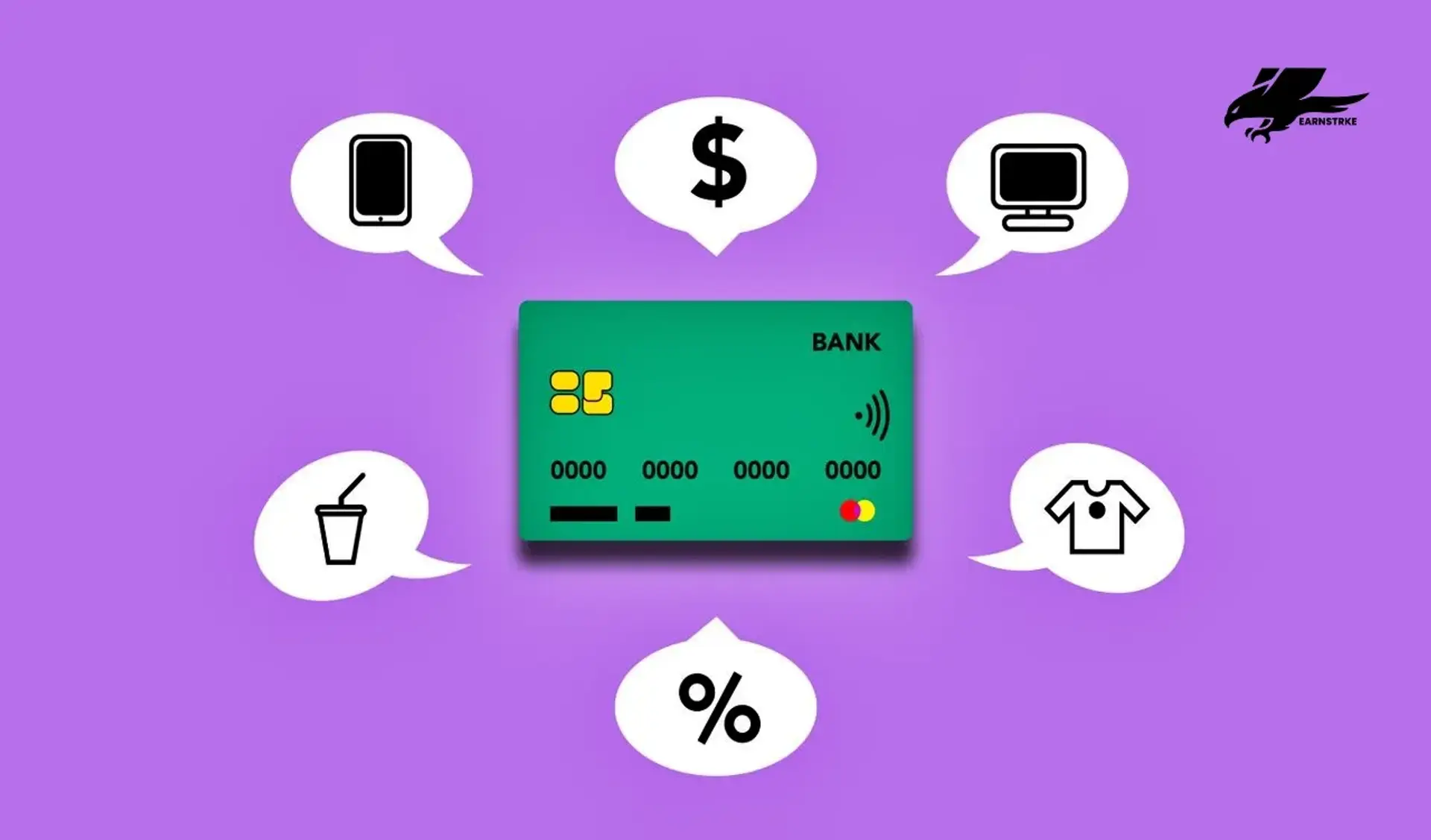
Credit cards are one of the most useful and most misunderstood financial tools that exist. Used correctly, they're convenient, they build your credit history, and many come with rewards or purchase protections. Used incorrectly, they become one of the fastest ways to trap yourself in a cycle of debt that's genuinely hard to escape.
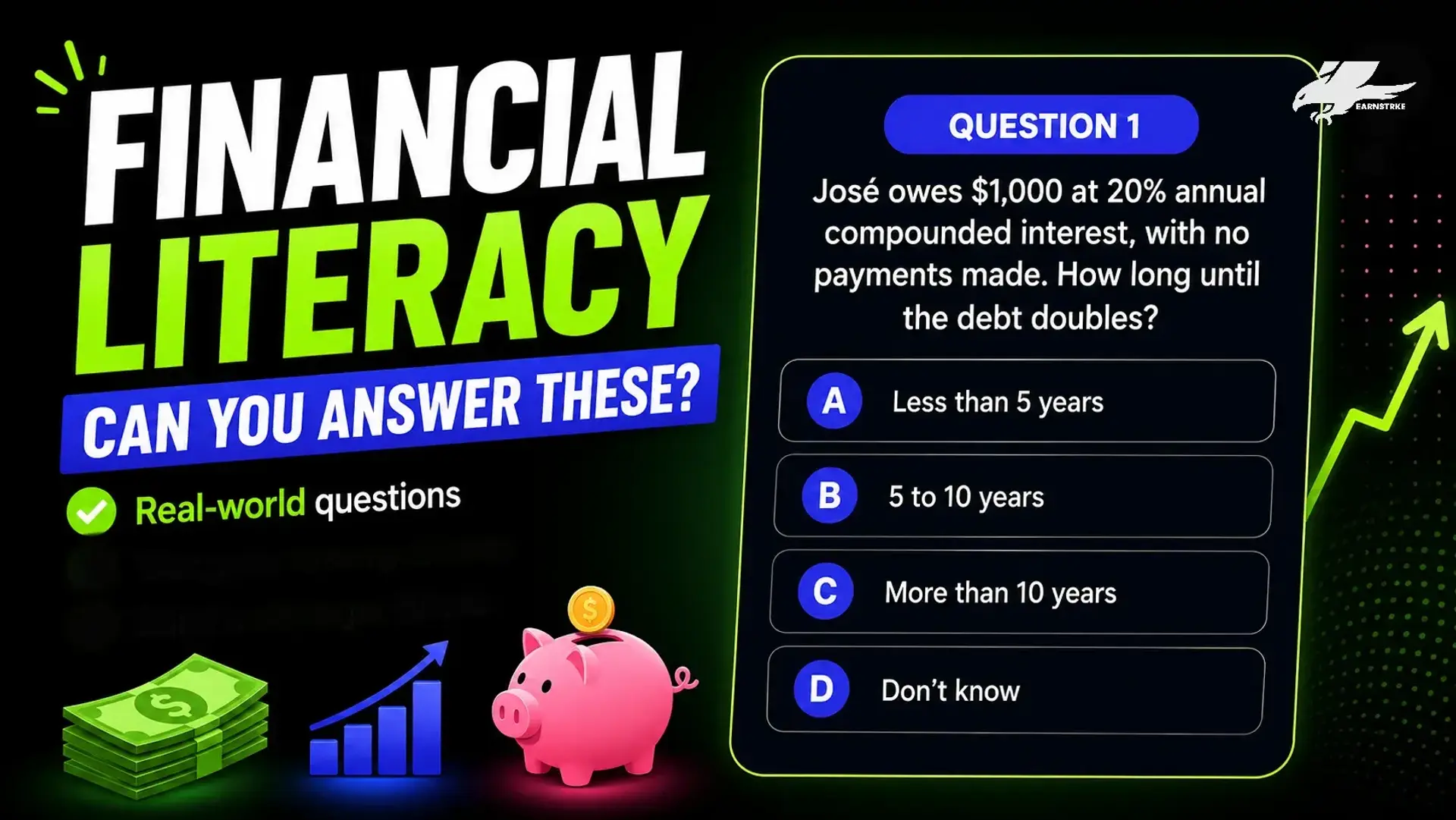
The trap is the interest rate. Credit cards typically carry some of the highest interest rates of any financial product available to ordinary consumers. In many countries, annual rates sit anywhere between 15% and 40%. That number sounds abstract until you see what it does to a real balance.
Say you put the equivalent of $2,000 on a credit card at a 25% annual interest rate. You make only the minimum payment each month. Depending on what that minimum is, it could take you anywhere from five to ten years to clear that balance — and by the time you do, you'll have paid back significantly more than you originally borrowed. Sometimes double. The bank profits enormously. You struggle for years. And most people in this situation didn't plan for it to go that way — it just crept up on them.
The Minimum Payment Illusion
This deserves its own section because it catches so many people off guard. The minimum payment on a credit card statement is not a repayment plan. It's the smallest amount you're allowed to pay without being penalized — and it's deliberately designed to keep you in debt longer, because that's when the lender makes the most money.
When you pay only the minimum, most of that payment goes toward interest, not the actual balance. The principal barely moves. Next month, interest is charged on nearly the same balance again. And the cycle continues.
If you take nothing else from this article, take this: always pay more than the minimum. Even a little more makes a meaningful difference. Paying the full balance every month is ideal — that way you use the card's benefits without paying a single cent in interest.
How to Build Credit When You're Starting From Zero
This is a genuine challenge for young people, immigrants, and anyone new to the formal financial system. The frustrating reality is that to build a credit history, you need credit — but to get credit, you need a history. It's a circular problem.
Here are some practical ways around it:
- Secured credit cards — you deposit a sum of money as collateral, and that amount becomes your credit limit. You use it like a normal card, pay it off monthly, and over time it builds your history. Available in many countries under different names.
- Credit builder loans — offered by some banks and credit unions, these are small loans specifically designed to help people establish credit. The money is often held in an account and released to you after you've made all the payments.
- Being added as an authorized user — in some countries, if a family member with good credit adds you to their account as an authorized user, their positive history can help build yours. This only works if their account is in good standing.
- Paying utility bills and rent on time — in some regions, services now allow you to report regular bill payments to credit bureaus, helping build history through payments you're already making.
The key is patience. Credit history builds slowly. There's no shortcut that doesn't carry risk, and anything promising a quick fix is almost certainly a scam.
Recovering From Bad Credit
Bad credit feels like a permanent mark, but it isn't. Credit histories have memory, but that memory fades. Negative items — missed payments, defaults, accounts in collections — don't stay on your record forever. In most countries, they drop off after a defined period, typically between five and seven years.
In the meantime, the recovery strategy is straightforward even if it's not easy:
- Stop adding new debt wherever possible
- Pay every current bill on time, without exception
- Work on bringing down your credit utilization
- Don't apply for new credit repeatedly — each hard inquiry makes things worse
- Dispute any errors on your credit report — mistakes happen, and incorrect negative information can be challenged and removed
The process is slow. Six months of good behavior won't undo two years of missed payments. But twelve to eighteen months of consistent positive behavior will genuinely move the needle, and two to three years of clean history can bring a score back to a healthy range.
The Bigger Picture
Credit is a tool. Like most tools, it can build things or it can cause damage depending on how it's used. The people who navigate it well aren't necessarily smarter or more disciplined than those who struggle — they usually just had the information earlier.
Understanding your credit score, keeping your card balances low, paying on time, and never relying on minimum payments to get by are not complicated strategies. They're just habits. And habits, once built, do the work for you quietly in the background while you focus on everything else.
You weren't taught this stuff growing up. That's not your fault. But now you know — and that's what matters.
The content on this page is provided for informational and educational purposes only and should not be considered financial or investment advice. Please read our Disclaimer for additional information.