Emergency Funds & Debt: Two Basics Most People Get Wrong
This image is used under our Editorial Policy.
Most people don't think about their finances until something goes wrong. The car breaks down. A medical bill shows up unexpectedly. They lose a client, miss a shift, or get hit with a repair they weren't budgeting for. And in that moment, they realize something uncomfortable — there's nothing in the bank to catch them.
This isn't a story unique to one country or one type of person. It plays out the same way whether you're in New York, Nairobi, Istanbul, or Jakarta. The financial systems are different, the currencies are different, the cost of living is wildly different — but the underlying problem is almost always the same. People are living without a financial cushion, carrying debt they don't fully understand, and hoping nothing goes wrong before the next paycheck.
That hope is not a financial plan.
Why Emergency Funds Matter More Than Most People Realize
An emergency fund is exactly what it sounds like — money set aside specifically for unexpected expenses. Not for a holiday, not for a new phone, not for anything you planned. Just for the moments life throws at you without warning.
The common advice is to have three to six months of living expenses saved up. That number sounds intimidating to a lot of people, and honestly, it should — because it means most of us aren't there yet. But the goal isn't to hit that number overnight. The goal is to start.
Here's why it matters so much:
- It breaks the debt cycle. When an emergency hits and you have no savings, the only option most people have is to borrow — a credit card, a loan, borrowing from family. Every time that happens, you go a little deeper into a hole that gets harder to climb out of.
- It reduces financial anxiety. There's a psychological dimension to this that doesn't get talked about enough. Knowing you have even a small buffer changes how you feel about money day to day. The stress of living on the edge is real, and it affects your decisions, your health, and your relationships.
- It protects your long-term goals. Without an emergency fund, one bad month can wipe out months of progress. You're essentially building on sand — one wave and it's gone.
How Much Do You Actually Need?
Three to six months of expenses is the standard recommendation, but let's break down what that actually means for a real person.
Start by calculating your bare minimum monthly expenses — just the things you absolutely must pay to survive. Rent or housing costs, food, utilities, basic transportation, and any essential debt payments. Not subscriptions, not dining out, not discretionary spending. Just survival costs.
If that number is, say, the equivalent of $800 a month where you live, then your initial emergency fund target is $800. That's one month. That alone would cover most of the unexpected expenses people actually face — a car repair, a broken appliance, a medical visit.
Once you've hit one month, aim for three. Then eventually six. It's a slow build, but each milestone genuinely changes your financial resilience.
Where to Keep It
This is a question that trips people up. The emergency fund should be:
- Accessible — you need to be able to get to it quickly when something happens
- Separate — not in your everyday account where it gets spent accidentally
- Not invested — keeping it in stocks or anything volatile defeats the purpose; markets can drop exactly when crises hit
A basic savings account is fine. The point is not to earn maximum returns on this money. The point is for it to be there when you need it.
Now Let's Talk About Debt
Debt is one of those words that carries a lot of shame for a lot of people. But debt itself isn't the enemy — unmanaged debt is. Understanding the difference between types of debt and having a real strategy to tackle it changes everything.
Not All Debt Is Created Equal
There's a reason financial educators separate debt into categories. Some debt, used wisely, can actually help you build wealth. A mortgage on a home that appreciates in value. A business loan that funds something profitable. A student loan that leads to a significantly higher income. These aren't ideal — debt always carries risk — but they're fundamentally different from borrowing money to cover everyday expenses.
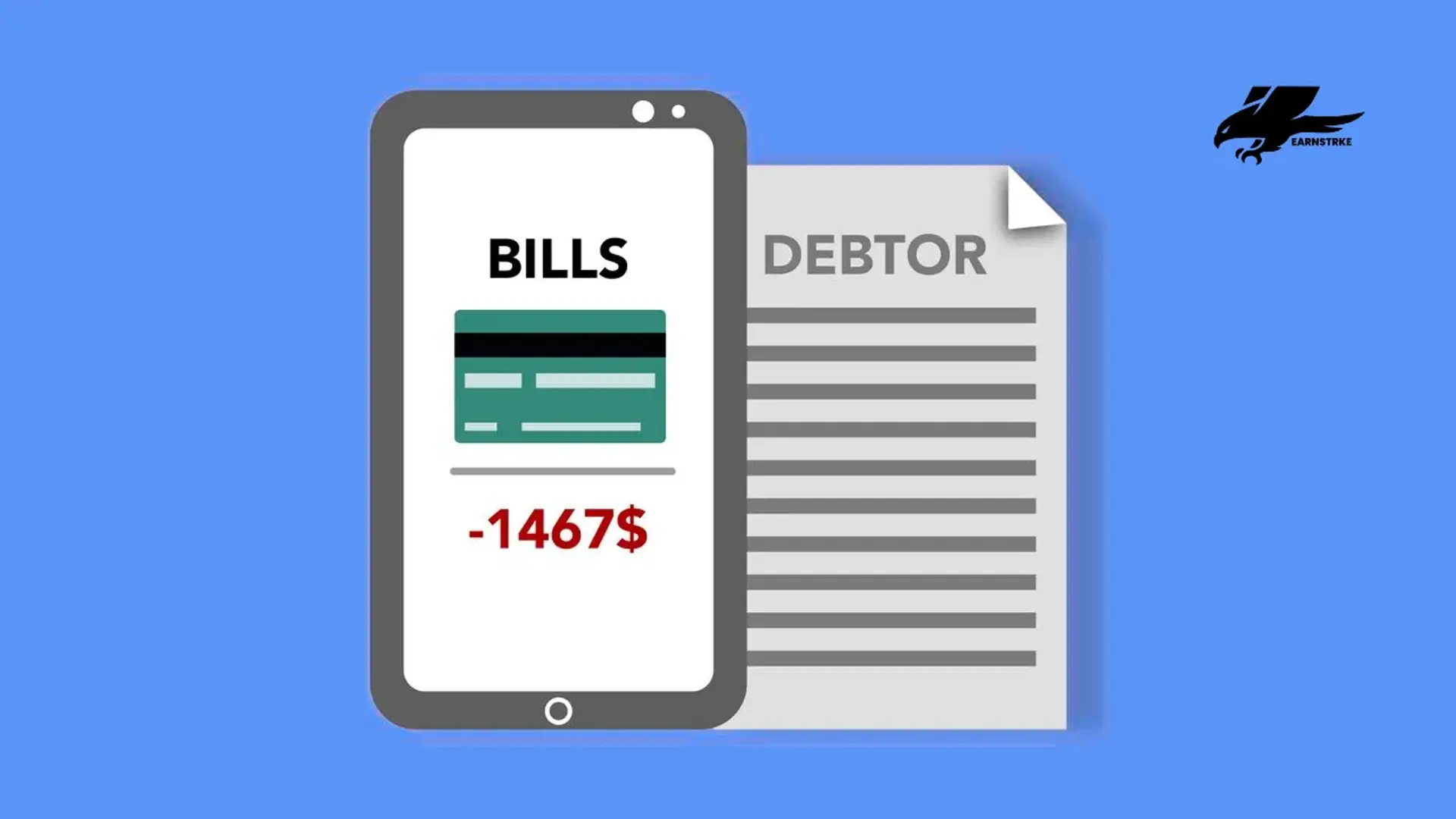
The dangerous kind of debt is high-interest consumer debt. Credit cards. Payday loans. Buy-now-pay-later schemes that quietly spiral. These products are designed to be easy to get into and hard to get out of. The interest compounds fast, and before long you're paying back far more than you ever borrowed — sometimes without even realizing it.
The Real Cost of Minimum Payments
This is something most people don't fully grasp until it's too late. If you have a credit card balance and you're only making the minimum payment each month, you are essentially running in place. The interest eats most of your payment, the balance barely moves, and the lender makes a significant profit off your situation.
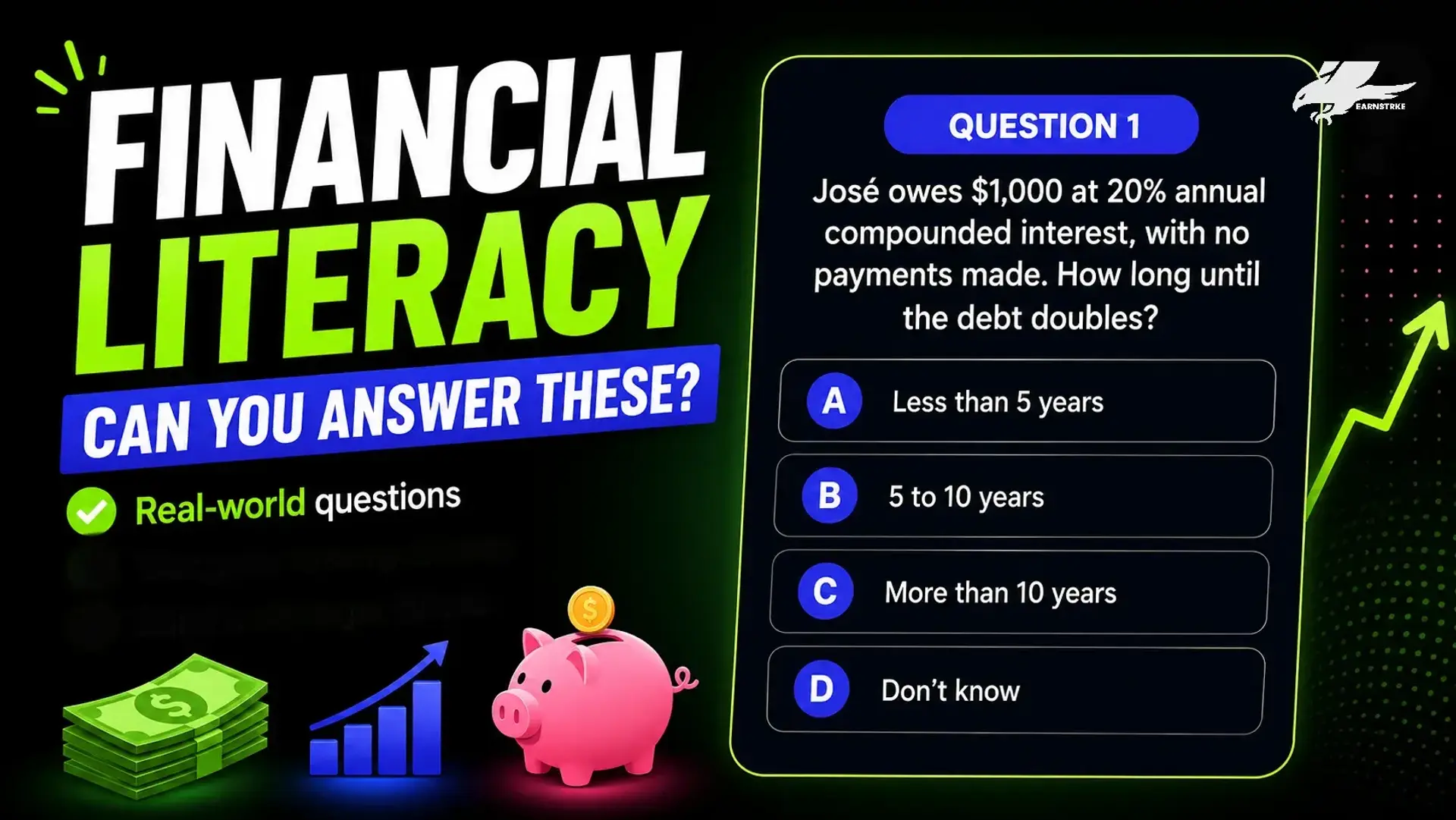
Here's a simple way to think about it: if you borrow the equivalent of $1,000 at a 20% annual interest rate and only make minimum payments, that debt can take years to clear and end up costing you double what you borrowed. That's not an exaggeration — that's just how compound interest works against you when you're on the wrong side of it.
Two Strategies Worth Knowing: Avalanche vs Snowball
If you have multiple debts and don't know where to start, these two methods give you a clear path forward.
The Avalanche Method
You list all your debts and focus your extra payments on the one with the highest interest rate first, while making minimum payments on everything else. Once the highest-rate debt is gone, you move to the next one.
This is mathematically the most efficient approach. You pay less interest overall, and you get out of debt faster in pure numbers terms.
The Snowball Method
You list all your debts and attack the smallest balance first, regardless of interest rate. Once it's cleared, you roll that payment into the next smallest debt.
This method costs a bit more in interest, but it gives you quick wins. Paying off a debt completely — even a small one — delivers a psychological boost that keeps you motivated. For people who've struggled to stay consistent with debt payoff plans, this momentum can be exactly what makes the difference.
Neither method is wrong. The best one is whichever one you'll actually stick to.
Building Both at the Same Time
One of the most common questions people ask is whether they should focus on saving an emergency fund or paying off debt first. The honest answer is — both, even if the amounts feel tiny.
Here's a practical approach:
- Build a small starter emergency fund first — enough to cover one month of bare essentials
- Then split your extra money: a portion toward debt repayment, a portion continuing to grow your emergency fund
- As debts get cleared, redirect those payments entirely into savings and investing
The reason you don't want to wait until all your debt is gone before saving anything is simple — life doesn't pause while you pay off debt. If an emergency hits during that time and you have no savings, you'll borrow again, undoing your progress.
The Mindset Shift That Makes It All Work
Here's the thing nobody tells you when they hand you a list of financial tips: the math is the easy part. The hard part is changing how you think about money.
Most people treat saving as optional — something they'll get to when they earn more, when things settle down, when life gets less expensive. But for most people, that moment never comes. Income tends to grow alongside lifestyle. Expenses expand to fill whatever's available.
The shift is deciding that the emergency fund and the debt payoff plan are not optional. They're not things you do after everything else. They're the foundation everything else sits on. Without them, every financial goal you have is fragile.
Start small if you have to. Put aside whatever you can this week — even if it feels embarrassingly little. The habit of doing it matters more right now than the amount. Build the system first, and the numbers will grow over time.
The content on this page is provided for informational and educational purposes only and should not be considered financial or investment advice. Please read our Disclaimer for additional information.