Why You Need to Stop Relying on Discipline to Save Money
This image is used under our Editorial Policy.
Many people assume that successful saving comes down to self-control. The common belief is that people who consistently build savings simply have more discipline than everyone else.
In reality, long-term saving often has less to do with willpower and more to do with creating habits that make smart financial decisions easier to maintain. While earning more income can certainly help, income alone does not guarantee financial stability. Many high earners still struggle financially, while others with more modest salaries steadily grow their savings over time.
The difference often comes down to behavior rather than income.
Why Income Alone Doesn't Guarantee Financial Success
One of the biggest misconceptions in personal finance is that a higher salary automatically solves financial problems.
While additional income creates more opportunities to save, it can also lead to higher spending. A raise at work often brings a larger housing payment, a newer vehicle, more subscriptions, and increasingly expensive habits. As spending rises alongside income, the financial benefits of earning more begin to disappear.
This phenomenon, often called lifestyle inflation, can prevent meaningful wealth accumulation even during periods of strong income growth. Financial progress is often determined not by how much someone earns but by how much they keep.
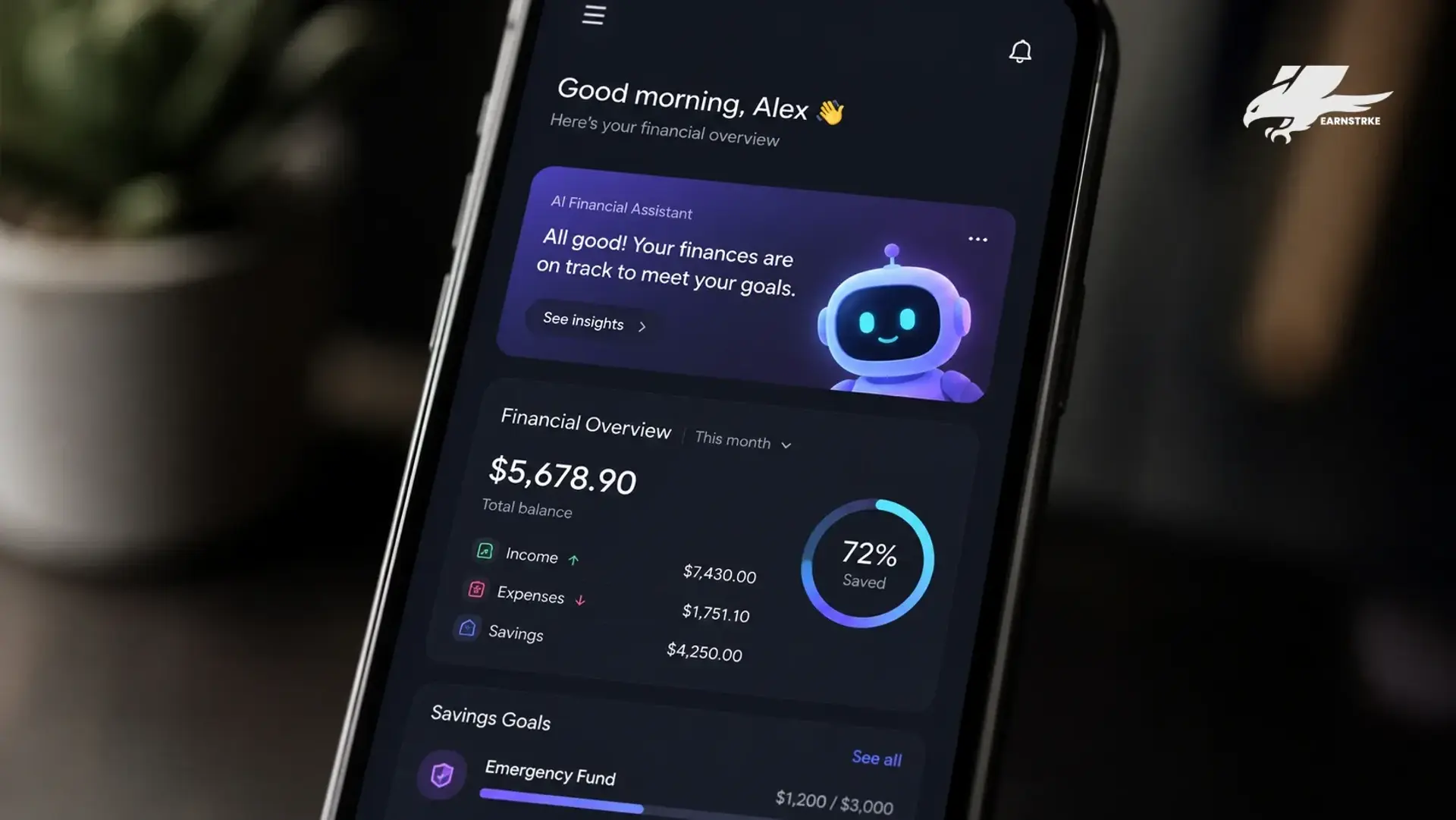
Pay Yourself First Instead of Saving What's Left Over
Many people approach saving by waiting until the end of the month and setting aside whatever remains. The problem is that unexpected expenses, impulse purchases, and everyday spending often consume the available cash long before the month ends.
A different approach is to treat savings as a fixed expense.
By moving money into savings immediately after receiving a paycheck, the process becomes automatic. The funds are set aside before they can be spent elsewhere, reducing the temptation to use them for non-essential purchases.
Over time, this simple habit can create consistency that is difficult to achieve through manual saving alone.
Make Impulse Spending More Difficult
Modern shopping has never been more convenient. Nearly any product can be purchased within minutes and delivered shortly afterward.
While convenience saves time, it can also encourage unnecessary spending.
Creating small barriers between spending and savings can help reduce impulsive decisions. Keeping savings in separate accounts, limiting immediate access to long-term funds, or requiring additional steps before transferring money can introduce enough friction to encourage more thoughtful decision-making.
Even a short delay can be enough to separate genuine needs from temporary wants.
Why Waiting Before Buying Works
Impulse purchases are often driven by emotion rather than necessity. A product may seem essential in the moment, only to lose its appeal a few days later.
Introducing a waiting period before purchasing non-essential items can help reduce unnecessary spending. Whether the delay lasts a day, a week, or longer, the additional time allows emotions to settle and provides an opportunity to evaluate whether the purchase still feels worthwhile.
Many spending decisions become clearer once the initial excitement fades.
Avoid Lifestyle Inflation as Your Income Grows
Lifestyle inflation is one of the most common obstacles to long-term financial growth.
As income increases, spending often expands to match it. What begins as a small reward after a raise can gradually turn into a permanent increase in monthly expenses. Over time, these additional costs can absorb most of the financial benefits created by higher earnings.
Maintaining a consistent lifestyle while income grows can create a larger gap between earnings and expenses. That gap becomes the foundation for future financial flexibility and stability.
Contentment Is an Underrated Financial Skill
Consumer culture constantly encourages people to upgrade, replace, and acquire more.
New products, services, and experiences are frequently presented as solutions to dissatisfaction. However, the satisfaction generated by purchases is often temporary, leading to a cycle of continuous consumption.
Developing an appreciation for what already exists can have a meaningful impact on spending behavior. Rather than focusing on what is missing, attention shifts toward maximizing the value of possessions and experiences already available.
This mindset does not eliminate spending altogether. Instead, it encourages more intentional spending and fewer purchases driven by habit or social pressure.
Build Systems Instead of Relying on Willpower
Willpower is valuable, but it is also inconsistent. Motivation naturally rises and falls over time, making it difficult to rely on discipline alone.
Systems, on the other hand, continue working regardless of mood or motivation. Automatic savings transfers, spending limits, separate savings accounts, and structured budgets all reduce the number of financial decisions that require active effort.
The less frequently someone must rely on self-control, the easier it becomes to maintain positive financial habits over the long term.
The Bottom Line
Building savings is rarely the result of a single dramatic change. More often, it comes from a series of small decisions repeated consistently over time.
Avoiding lifestyle inflation, automating savings, reducing impulse purchases, and creating simple financial systems can make saving feel less restrictive and more sustainable. While income certainly plays a role, long-term financial progress is often shaped by everyday habits rather than occasional large decisions.
In many cases, the most effective way to save more money is not to become more disciplined. It is to create an environment where the right financial decisions happen automatically.
The content on this page is provided for informational and educational purposes only and should not be considered financial or investment advice. Please read our Disclaimer for additional information.